Source Organic Apple Cider Vinegar Gummy for Weight Loss, Digestion, and Wellness
Compare 21 verified listings for organic apple cider vinegar gummy from Chinese manufacturers. Buyers can evaluate customization options, certifications like GMP and ISO, and packaging details for health care and food applications; compare the available evidence and request quotations based on your requirements.
Key considerations
Products List


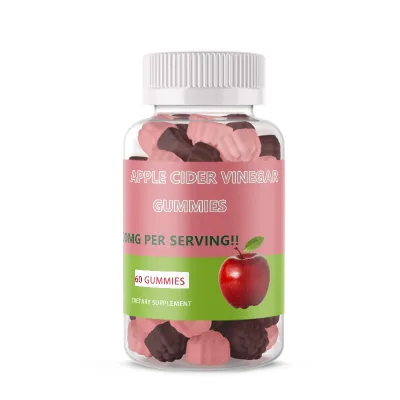


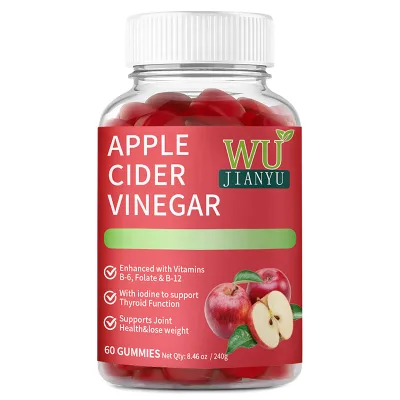
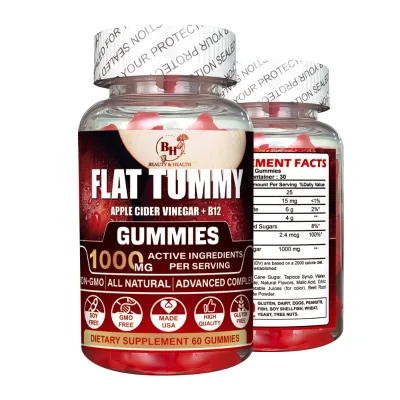
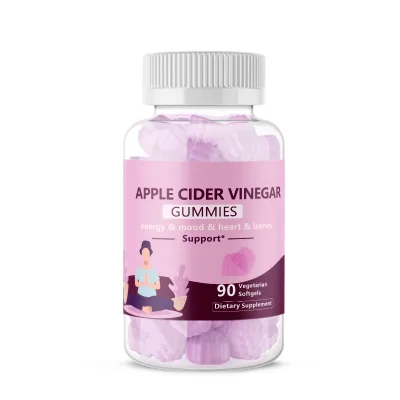
Comprehensive Sourcing Guide
Organic Apple Cider Vinegar Gummy Sourcing Guide
Sourcing organic apple cider vinegar gummies requires a nuanced understanding of the intersection between dietary supplements and functional confectionery. Buyers must navigate a market where the core ingredient is often marketed for weight management and digestive health, yet the final product is a chewable, sugar-free, or low-fat treat. The observed product landscape indicates a strong emphasis on customization, with suppliers offering everything from standard bottle packaging to bulk options tailored to specific brand needs. This flexibility allows procurement teams to align the product with diverse retail channels, from health food stores to general e-commerce platforms.
The supply chain for these gummies is predominantly rooted in China, with significant manufacturing activity in provinces like Guangdong and Shaanxi. This geographic concentration suggests a mature ecosystem for both the extraction of apple cider vinegar and the formulation of gummy bases. Buyers should recognize that while the raw materials may be sourced from specific agricultural regions, the final assembly and packaging often occur in specialized facilities equipped to handle both food-grade and health care product standards. Understanding this supply chain structure is critical for managing logistics, lead times, and quality assurance protocols effectively.
Product Scope and Observed Listing Signals
The current market listings reveal a diverse range of product specifications, with prices observed between $0.02 and $30 per unit, reflecting variations in ingredient quality, packaging complexity, and order volume. Minimum order quantities (MOQs) are equally variable, ranging from small trial orders of 10 units to large-scale industrial orders of up to 50,000 units. This wide spectrum accommodates both emerging brands seeking to test market response and established enterprises looking to secure long-term supply contracts. The presence of customization options, including logo printing and color customization, highlights the competitive nature of the private label market for these gummies.
Product attributes frequently cited include a shelf life exceeding 12 months, with some listings specifying 24 months, ensuring product stability during transit and storage. The active substance content is noted to range from 0% to 30%, indicating significant flexibility in potency and formulation. Furthermore, the product form is consistently described as gummies, with some listings also mentioning capsules, suggesting that some suppliers offer a broader portfolio of supplement formats. The packaging materials observed include plastic bottles, carton boxes, and vacuum-packed containers, each offering different levels of protection and aesthetic appeal for end consumers.
Technical Specifications to Verify
When evaluating technical specifications, buyers must prioritize the verification of the active ingredient concentration and the overall nutrient composition. The observed data indicates that the products are rich in vitamins and designed to support functions such as weight reduction and digestive health. It is essential to confirm the exact assay methods used, such as UV or HPLC, to ensure the accuracy of the potency claims. Suppliers should provide clear documentation on the extraction type, with customization being a common feature, allowing buyers to tailor the vinegar concentration to their specific product positioning.
Packaging specifications are another critical area for verification. Listings mention various standards, including dimensions like 202060 and counts such as 60 or 90 pieces per container. Buyers should ensure that the packaging material, whether plastic or carton, meets the required food-grade standards and provides adequate protection against moisture and light, which can degrade the efficacy of apple cider vinegar. Additionally, the storage method is typically listed as normal, but buyers should verify if any special handling is required to maintain the integrity of the gummies, especially in humid climates.
Compliance and Safety Documentation
Compliance with international and regional standards is non-negotiable for organic apple cider vinegar gummies. The observed certifications include HACCP, GMP, and ISO, which are fundamental for ensuring food safety and quality management systems are in place. For buyers targeting specific markets, additional certifications such as FDA, KOSHER, JAS, OCIA, and NOP may be required. These certifications not only validate the safety of the product but also enhance its marketability, particularly in regions with strict regulatory environments regarding dietary supplements and organic products.
Buyers must also verify the origin of the raw materials, with some listings specifying Shaanxi, China, as the place of origin. This information is crucial for tracing the supply chain and ensuring that the organic claims are substantiated by credible agricultural practices. The cultivation method is often listed as artificial planting, which should be cross-referenced with organic certification bodies to ensure compliance with organic standards. Additionally, the presence of test results, such as HPLC tests, provides evidence of product consistency and purity, which is vital for maintaining consumer trust and regulatory compliance.
Cost Drivers and Commercial Terms
The cost of organic apple cider vinegar gummies is influenced by several factors, including the quality of the raw materials, the complexity of the formulation, and the packaging requirements. The observed price range of $0.02 to $30 per unit reflects these variations, with higher prices typically associated with premium organic ingredients and more sophisticated packaging solutions. Buyers should consider the total cost of ownership, including shipping, tariffs, and storage, when evaluating supplier quotes. The availability of samples is a positive indicator, allowing buyers to assess product quality before committing to large orders.
Commercial terms, such as MOQs and lead times, play a significant role in the procurement strategy. The wide range of MOQs, from 10 to 50,000 units, offers flexibility for buyers with different inventory needs. However, buyers should negotiate favorable terms for repeat orders and volume discounts to optimize costs. The customization options, including logo printing and custom colors, may incur additional costs, so it is important to clarify these charges upfront. Clear communication regarding payment terms, shipping methods, and return policies is essential to avoid misunderstandings and ensure a smooth procurement process.
Supplier Qualification and Quality Control
Supplier qualification is a critical step in ensuring the reliability and consistency of organic apple cider vinegar gummies. Buyers should conduct thorough due diligence, including site visits and audits, to verify the supplier’s manufacturing capabilities and quality control systems. The presence of certifications such as GMP and HACCP is a good starting point, but buyers should also assess the supplier’s ability to maintain these standards over time. Requesting references from other clients and reviewing their feedback can provide valuable insights into the supplier’s performance and reliability.
Quality control measures should be clearly defined and agreed upon before production begins. This includes specifying the acceptable range for active ingredient concentration, the required assay methods, and the packaging standards. Buyers should also establish a protocol for handling non-conforming products, including procedures for returns and replacements. Regular quality checks during production and before shipment are essential to ensure that the final product meets the agreed-upon specifications. Building a strong relationship with the supplier through open communication and mutual trust can lead to better collaboration and improved product quality.
Long-Term Procurement Checks
Long-term procurement success depends on continuous monitoring and evaluation of supplier performance. Buyers should establish key performance indicators (KPIs) to track metrics such as on-time delivery, product quality, and responsiveness to issues. Regular reviews of these metrics can help identify potential problems early and allow for corrective actions to be taken. Additionally, buyers should stay informed about changes in regulatory requirements and market trends that may impact the sourcing of organic apple cider vinegar gummies. This proactive approach ensures that the supply chain remains resilient and adaptable to changing conditions.
Building a diversified supplier base can mitigate risks associated with single-source dependencies. Buyers should consider engaging with multiple suppliers to ensure continuity of supply and competitive pricing. Regular communication with suppliers about future needs and market expectations can foster a collaborative relationship that benefits both parties. Furthermore, buyers should invest in building internal capabilities for quality assurance and supply chain management to better oversee the procurement process. By focusing on long-term partnerships and continuous improvement, buyers can secure a reliable and cost-effective supply of high-quality organic apple cider vinegar gummies.
FAQs
How should organic apple cider vinegar gummies be stored after opening?
Store the gummies in their original sealed bottle in a cool, dry place away from direct sunlight, and keep the cap tightly closed after each use. The product supports normal ambient storage methods and offers a shelf life exceeding twelve months, with some listings stating twenty-four months. Avoid humid bathrooms or hot cars, since heat and moisture can cause clumping or texture changes.
What certifications do listed organic apple cider vinegar gummy products carry?
Listed products reference certifications including HACCP, GMP, ISO, FDA, KOSHER, NOP, QS, JAS, and OCIA across the catalog. Availability varies by listing, so confirm which certificates apply to the specific gummy product and batch you intend to purchase. Requesting current certificate copies before ordering is a practical way to verify that the documentation matches your market requirements.
Can packaging and branding be customized for these apple cider vinegar gummies?
Yes, customization is available, and logo printing is offered on the products. Packaging options include bottles, plastic containers, cartons, and boxes, with bottle sizes such as sixty gummies or quantities tailored to your needs. Color and specification can also be customized, so buyers can align packaging, branding, and product format with their own market positioning and regulatory labeling requirements.
What product specifications are available for apple cider vinegar gummies?
Listed options include bottles of sixty gummies, with alternate formats of sixty, ninety, or one hundred twenty gummies per bottle or supplied in bulk. Active substance content ranges from zero to thirty percent, and products are classified as food-grade with adults as the target age group. Confirm the exact specification, formulation, and active content with the seller before placing an order.
What is the typical minimum order quantity for these gummies?
Observed minimum order quantities across the listings range from ten units to fifty thousand units, and one listing states a minimum of fifty bottles. The right quantity depends on whether you are testing samples or planning retail distribution. Samples are available, so request them first, then negotiate a trial production run before committing to larger volumes.
What functions and features do the listed gummies offer?
The products are positioned for digestive health and weight reduction support, with vitamin-based, natural formulations targeted at adults of any gender. Listed features include low-fat, sugar-free, and organic variants, and the products are classified as food-type health care products. Results vary by individual, so review the ingredient list and formulation details carefully before making purchase decisions for your market.
How is the quality of apple cider vinegar gummies verified?
Listed products reference quality testing through HPLC and UV assay methods, and some listings mention HACCP and GMP-certified production environments. Before ordering, request recent third-party or in-house test reports covering the active substance content and any ingredient specifications you care about. This helps confirm that the supplied gummies match the stated formulation and content range.
Where are these apple cider vinegar gummy products sourced from?
Listed origins include Guangdong and Shaanxi provinces in China, with plant-based raw materials cultivated through artificial planting methods. Production is described under food-grade standards with extraction methods available for customization. When comparing options, ask each seller to confirm the exact production location, facility certifications, and whether the origin affects shipping costs or import documentation for your destination market.